Beyond the PQQ: The Unwritten Rules That Decide Which Subcontractors Get the Call

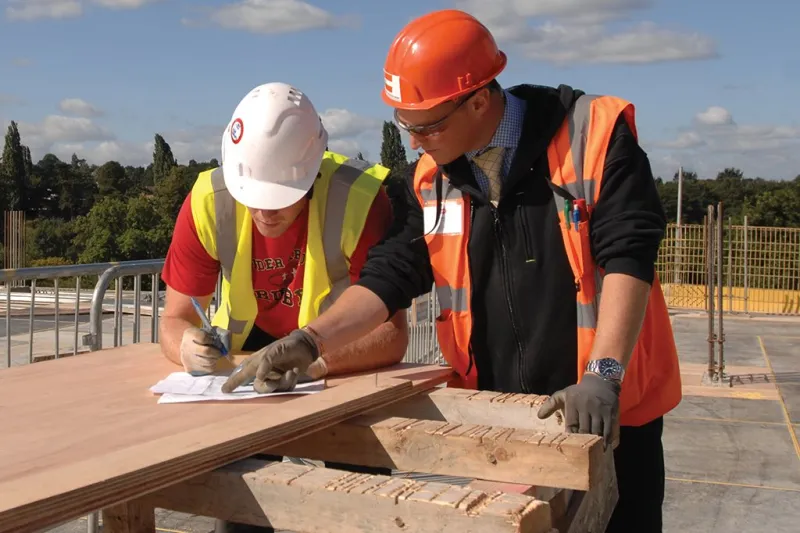
Photo: Steve F, CC BY-SA 2.0, via Wikimedia Commons
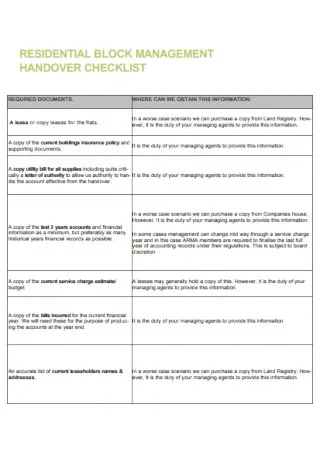
Every subcontractor in Britain knows the pre-qualification questionnaire. CHAS, Constructionline, Achilles — the alphabet soup of accreditation that gates entry to most main contractor supply chains. Fill in the forms, upload the certificates, pay the fee, and wait.
But ask commercial managers what actually decides who gets the work, and a different picture emerges. The PQQ, they say, is merely the entry ticket. What separates the shortlisted from the forgotten rarely appears on any form.
The Paperwork Is the Floor, Not the Ceiling
"If a subcontractor can't show current employers' liability cover and a clean CITB record, they're not getting past my coordinator," says a commercial manager at a North West main contractor, speaking on condition of anonymity. "But nobody wins a job on paperwork. Everybody on my shortlist has the paperwork."
What main contractors describe is a two-stage filter. The first is administrative: public liability at £5 million or above where required, current CSCS cards for site operatives where relevant, a health and safety policy that isn't obviously a template downloaded in 2019, and — increasingly — evidence of proper CIS verification.
The second stage is human, and it starts before any bid is submitted.
The Telephone Test
Several commercial managers interviewed for this piece described the same phenomenon: a subcontractor's responsiveness during the tender period is treated as a reliable predictor of their behaviour on site.
"If I ring you for a clarification on your price and you don't come back for three days, I assume that's what my site manager can expect too," one explained. "The lads who answer, or ring back within hours, or send a proper marked-up drawing — those are the ones I remember at the next package."
The pattern holds even for sole traders competing against established firms. Speed and clarity of communication, several managers agreed, can outweigh a marginal price advantage. A quote that arrives early, clearly itemised, with sensible exclusions flagged in writing, signals a professional operation. A quote that arrives late, flat and unexplained, invites doubt regardless of the number.
The Deal-Breakers That Never Appear on Forms
When pressed, commercial managers listed recurring red flags that no questionnaire captures:
Vague exclusions. A price riddled with unspecified caveats suggests either inexperience or an intention to claw back margin through variations later.
Overloaded labour. Subcontractors who take on more packages than they can staff, then dilute their presence across sites, quickly earn a reputation. Main contractors talk to each other.
Payment behaviour downstream. How a subcontractor treats their own labour — late-paid bricklayers, disputed wages — is scrutinised, particularly since the 2015 Modern Slavery Act pushed supply chain transparency up the agenda.
Site conduct on previous jobs. A single bad reference from a site manager can quietly end a relationship. Many main contractors maintain informal networks where word travels faster than any accreditation database.
What Sole Traders Can Actually Do
The advice from those interviewed is refreshingly practical.
First, keep the administrative house in order. An expired insurance certificate or lapsed CHAS renewal discovered mid-tender wastes everybody's time and yours. Set calendar reminders; renewals are cheap, lapses are not.
Second, treat every tender enquiry as a potential audition. Answer the phone. Flag ambiguities early. Provide a realistic programme, not an optimistic one.
Third, ask for feedback when you lose. Commercial managers report that subcontractors who ring to ask why are disproportionately likely to be remembered — and offered the next package. "Most don't ask," one noted. "The ones who do tend to be the ones I want."
Finally, protect your references. A sole trader's reputation is their balance sheet. Leaving a site clean, finishing snagging without being chased, and being straight when something goes wrong are, in the words of one manager, "worth more than any accreditation badge on the wall."
The Shortlist Is a Relationship
The overarching message from those who buy construction labour is that shortlisting is less a process than an accumulation of small proofs. The certificate gets you considered. The behaviour gets you called back.
For Britain's sole traders and small firms — squeezed on every side by compliance costs and payment terms — that is, perhaps, a manageable challenge. The systems that decide who thrives are, in the end, mostly human. And humans, on the whole, remember the subcontractor who turned up, answered the phone, and finished the job properly.