What Gets Missed at Handover: Site Managers Reveal the Defects That Slip Through
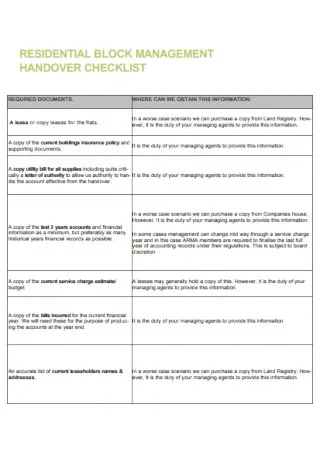
Photo: builder inspecting new build house handover checklist UK, via images.sample.net
Every builder knows the ritual. The keys change hands, the champagne photo goes on Instagram, and the file is closed. Then, three months later, the phone rings: a damp patch above the bay window, a door that's dropped, a floor that creaks in exactly the wrong place.
For this piece, ProBuilder Contractors Network spoke with site managers and finishing crews from Manchester to Medway about the defects that most frequently escape detection — by clients and, candidly, by contractors themselves. The pattern in their answers was striking: the problems that cause the most grief are almost never the visible ones.
Flashing: The Silent Failure
Ask any roofing contractor what they'd check first on a call-back, and the answer is nearly always leadwork. Poorly dressed flashings, inadequate soakers and step flashing cut too thin are among the most common faults identified in post-completion inspections — and among the hardest for a homeowner to spot.
"A client looks at the roofline from the garden and sees tidy gutters and a clean fascia," one site manager in Leeds told us. "They can't see that the apron flashing behind the chimney hasn't been chased deep enough. That's a defect that might not show itself for two winters."
The advice from the trade is blunt: photograph every flashing detail before the scaffold comes down. It costs nothing, and it settles disputes later.
What's Under the Floor
Subfloor problems rank second in our informal survey. Timber suspended floors installed too quickly in damp conditions can move once heating systems dry the building out. Chipboard that wasn't glued and screwed, joists notched beyond permissible limits, pipework clipped inadequately beneath the deck — all invisible on handover day, all expensive twelve months later.
Several of the site managers we spoke to now insist on a subfloor sign-off photograph, taken before the floor covering goes down. It's a small administrative step that has, in their words, "saved more arguments than any contract clause."
The Ten Defects That Keep Coming Back
Collating our interviews, the following emerged as the most frequently missed faults:
- Inadequate flashing and lead dressing — particularly around chimney abutments and party wall junctions.
- Subfloor movement from unseasoned timber or insufficient fixing.
- Poor perimeter sealing around window and door frames, often hidden behind trims.
- Condensation risk in cold roof voids, where ventilation paths have been blocked by insulation.
- Brickwork mortar joints struck too early or raked inconsistently at exposed elevations.
- Blocked or undersized rainwater goods, especially where downpipes have been repositioned during the build.
- Compression waste and misaligned soil stacks in bathrooms, concealed by boxing.
- Electrical accessory back boxes set too deep, causing faceplate stress and eventual cracking.
- Drainage falls to rainwater gullies, frequently insufficient where paving has been relaid late in the programme.
- Loft insulation disturbed by second-fix trades and never reinstated — a small defect with a large energy-bill consequence for the client.
Why It Matters for Your Reputation
The financial case is obvious: defect rectification after handover is the most expensive work a contractor ever performs. There's no scaffold already standing, no site welfare, no tradesman conveniently next door. Every callback carries travel, supervision and disruption costs that were never in the margin.
But the reputational cost is larger still. In an era where a homeowner's first instinct is to post a photograph of a cracked ceiling into a local Facebook group, the defect you didn't catch becomes the review you can't remove.
The contractors who manage this best share three habits. First, they run a formal pre-handover inspection with a written schedule — not a walk-round with a nod. Second, they document concealed works photographically as a matter of routine. Third, they return at four weeks and twelve months unprompted, a courtesy visit that costs half a day and converts satisfied clients into advocates.
What Homeowners Should Check
Contractors should welcome informed clients; they make for smoother handovers. Homeowners would do well to run cold taps and check waste connections, open and close every window and door fully, inspect the roofline from ground level with a torch on a damp evening, and look inside the loft for compression and disturbed insulation.
A defect found at handover is a punch-list item. The same defect found a year later is a dispute. The trade's interest, and the client's, point in the same direction: catch it early, record it properly, and close it out formally. That, more than anything, is what separates a professional outfit from a cowboys-and-callbacks operation.