Lime, Liquids and Listed Consent: How Materials Science Rescued Five of Britain's Oldest Buildings
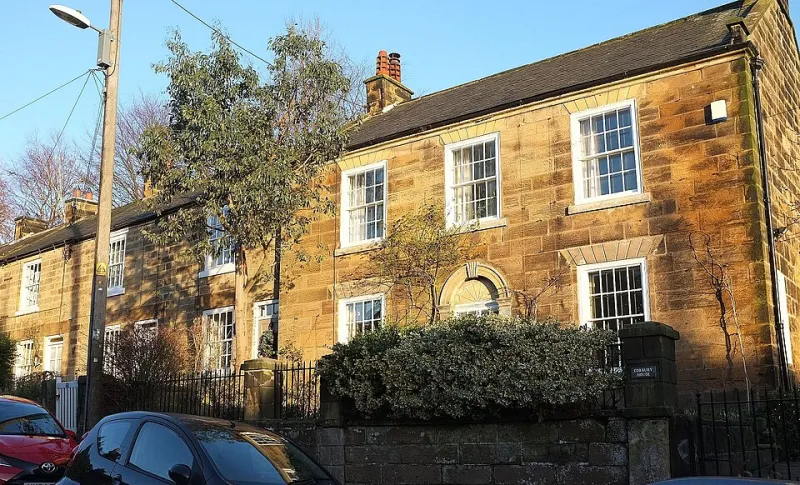
Photo: Derek Harper , CC BY-SA 2.0, via Wikimedia Commons
When Conservation Meets Chemistry
There is a particular kind of pressure that comes with repairing a listed building. Get it wrong, and the consequences are not merely cosmetic — they are legal, financial and, in the eyes of conservation officers, occasionally unforgivable. Yet across the UK, a growing number of contractors are proving that modern materials science and heritage sensitivities are not natural enemies. Handled properly, they are allies.
We followed five recent restoration projects that illustrate the point — and spoke to the conservation specialists who made them work.
Bath: Reverse Engineering a Georgian Façade
The first case is a Grade I terrace in Bath, where honey-coloured limestone had begun to delaminate along window reveals. Traditional replacement stone was prohibitively expensive, and sourcing matching blocks from the same quarries was no longer straightforward.
The solution came from an unexpected direction: a lime-based consolidant originally developed for cathedral masonry, applied by injection to stabilise the failing stone from within. "We were essentially putting the building on a drip," says the project's conservation lead. "The important thing was proving to the conservation officer that we were not disguising decay — we were arresting it."
Consent took eleven months. The repair itself took six weeks.
Leeds: A Water Tower with a Concrete Problem
Victorian brick structures present their own challenges. In Leeds, a Grade II water tower suffered from early twentieth-century cement repairs — a common and deeply ironic problem. Hard cement patching, applied decades ago, had trapped moisture in the soft brick behind it, accelerating frost damage.
The remedy was patient, unglamorous work: careful removal of the incompatible mortar, followed by a hot-mixed lime repointing programme specified after mortar analysis. What made it modern was the monitoring. Humidity sensors embedded in the wall now feed data to a dashboard, allowing the contractor to demonstrate to the local authority that the building is drying out as predicted.
Norfolk: Flinthard
In Norfolk, a flint-faced church hall had lost significant facing material to salt crystallisation. Rather than wholesale replacement, the team used a breathable shelter coat — a sacrificial layer that takes the brunt of weathering and can be renewed. "It sounds counterintuitive," the contractor admits, "putting something on to let it wear away. But that is the whole point. The coat fails so the flint doesn't."
Edinburgh and the Tenement Question
Scottish tenements bring a different regulatory framework and a different set of pressures — shared ownership, factor management and, often, funding disputes between residents. A stone repair project in Edinburgh combined traditional indenting of new sandstone with a stainless steel tie replacement programme, resolving structural movement and aesthetic concerns in a single consented package.
The lesson from the tenement work is one that contractors across Britain would do well to note: early, honest engagement with the conservation officer shortens every subsequent stage.
The Tension That Remains
Not every story ends neatly. The fifth project, a timber-framed farmhouse in Kent, saw an application for a modern breathable insulation system rejected twice before a compromise specification was approved. "There is a genuine tension," one specialist told us. "The rules exist to protect buildings. But sometimes the rules protect a theory of the building rather than the building itself."
What unites these five projects is not the materials — lime, consolidants, sacrificial coatings, steel ties — but the method: analysis first, monitoring throughout, and a willingness to explain the science to the people holding the pen on consent.
For contractors looking to enter heritage work, the message is clear. The skills are teachable. The patience is not optional.