Salvage Jobs: Five Self-Builds That Went Wrong and the Contractors Who Put Them Right
Photo: Stephen Craven , CC BY-SA 2.0, via Wikimedia Commons
Self-build remains one of the few routes to a genuinely bespoke home in Britain, but the gap between the television version and the site reality is where most of the money is lost. We spoke to contractors across the country who have been brought in to rescue projects on the brink — and the figures they shared should be required reading for anyone contemplating going it alone.
1. The Foundation That Wasn't — Wiltshire
A couple managing their own build outside Devizes ordered a raft foundation from an online specification service and hired groundworkers directly. After the pour, a building control inspection flagged insufficient reinforcement and a sub-base that would not drain. The fix: break out and re-pour 140 square metres.
Cost of the rescue: £38,000, on top of the original £22,000. Time lost: 11 weeks.
A main contractor appointed at foundation stage would have charged a project management fee in the region of £8,000 — and ordered a proper structural design in the first place.
2. The Bricklayer Who Vanished — Birmingham
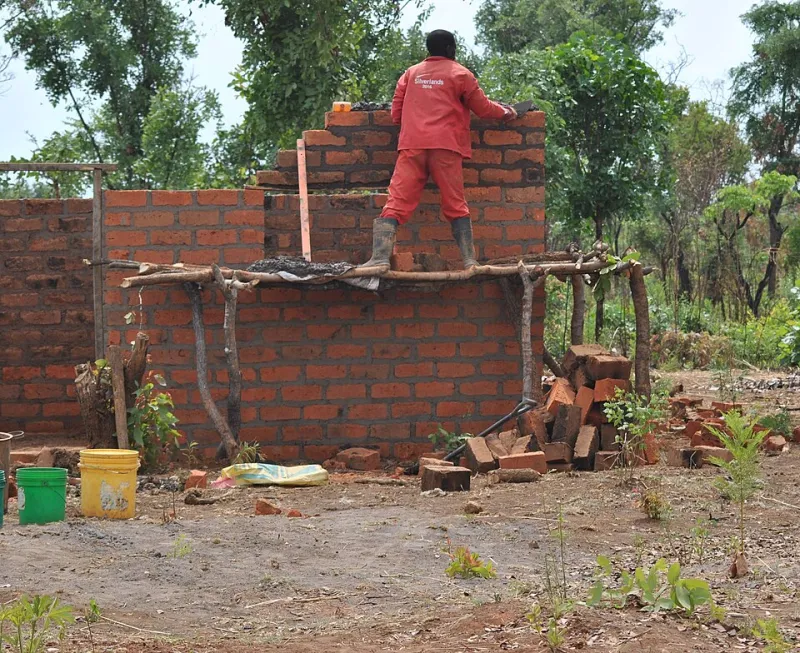
Halfway through the outer leaf of a self-build in Selly Oak, the bricklayer stopped answering his phone. Two thousand pounds of deposit went with him, and the partially built cavity wall sat open to a November sky. A local contractor took over, re-bonded the questionable courses and resequenced the programme around the weather.
Cost of the rescue: £14,500, including remedial work to the unprotected wallhead. Time lost: five weeks.
The lesson here is unglamorous: verify references, check public liability insurance, and never front-load payments beyond the value of work completed.
3. The Wrong Timber Frame — Perthshire
A self-builder in Scotland sourced a kit frame from an online supplier at a price too good to question. When the erector arrived, panels did not correspond to the architect's drawings, and the local authority required a redesign of the floor cassettes before sign-off.
Cost of the rescue: £27,000 in modifications and delays. Time lost: four months, largely winter-related.
The contractor who salvaged the job now refuses to erect frames from suppliers who will not provide full structural calculations — a line worth adopting across the industry.
4. The Roof That Met the Weather — Norfolk
A couple in Norfolk decided to project-manage their own roof, coordinating a joinery firm, a roofer and a scaffold hire company separately. Poor sequencing left the open roof structure exposed to three weeks of coastal rain; insulation batts soaked, plasterboard ceilings below were ruined.
Cost of the rescue: £19,000, mostly re-supply and drying time. Time lost: seven weeks.
A single contractor holding the programme would have had the underlayment on the same day the tiles came off the lorry.
5. The Subcontractor Spiral — Bristol
Perhaps the most common failure pattern: a self-builder in Bristol hired five trades directly for a full renovation, each pointing at the next when a leak appeared in a newly tiled bathroom. With no single party holding responsibility, the dispute ran for months.
Cost of the rescue: £11,000, plus legal advice at £3,500. Time lost: unquantifiable — the family moved in late and stressed.
What These Cases Have in Common
Across all five, the average cost of the rescue exceeded £20,000 — comfortably more than the contractor's fee that would have prevented it. The pattern is consistent: fragmented responsibility, unverified trades and decisions made on price alone.
For the trades reading this, there is a commercial point too. Rescue work is demanding, but it is also the clearest demonstration of what a competent main contractor actually sells: not bricks and labour, but the management of risk. Every successful salvage is a portfolio piece that no advert can match.