Before the Kettle Boils: Twelve Days in the Life of a Midlands Groundworks Crew
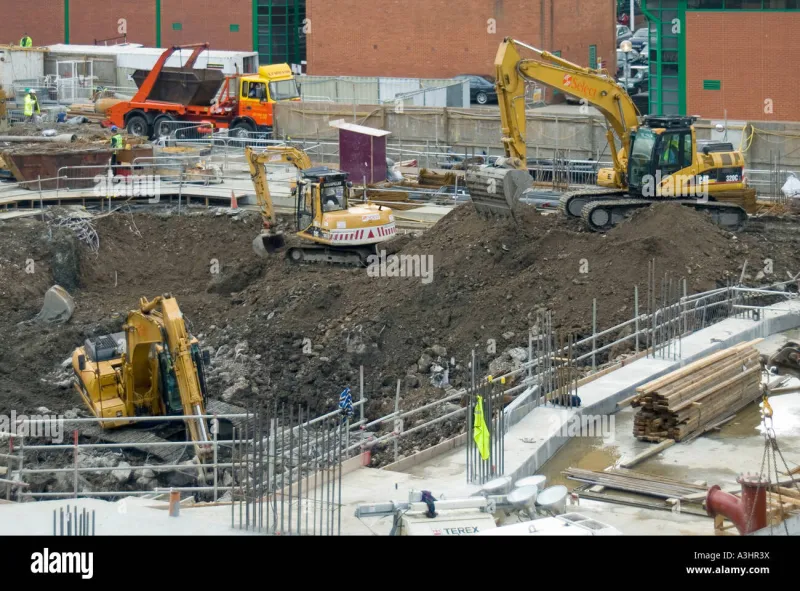
Photo: groundworkers excavator digging foundations UK construction site dawn, via c8.alamy.com
5:40am, and the Van Is Already Warm
The day begins before it should, by any reasonable measure. At a depot on the edge of Walsall, the crew assembles in the dark: a foreman with twenty-two years in the ground, two machine operators, three labourers and an apprentice on his first full week. The kettle in the welfare cabin will not be boiled until 6:15. By then, the first digger will already be ticking over.
Groundworks is the trade that everything else depends on and nobody outside the industry thinks about. Foundations, drainage, service ducts, finished levels — get any of it wrong and every trade behind you inherits the problem.
The Economics of the Early Start
The crew works a mix of day rates and measured works, and the difference matters more than outsiders might expect. On a day-rate footing, a good groundworker in the Midlands is looking at roughly £180 to £220 a day, depending on tickets and experience. The measured jobs can pay better — but they carry risk. Rain, uncharted services and a client's late design changes all eat into the margin.
Fuel is a constant conversation. The crew's vans and plant burn through a figure that the foreman tracks with the diligence of an accountant. "Two years ago I didn't look," he says. "Now it's the first line on the whiteboard."
The Invisible Skill Set
Watching the crew read ground is the week's real education. A slight change in the clay's colour as the excavator bites tells the operators something no drawing shows. The foreman stops work twice in one morning over what looks like nothing — the second time, a water main turns up exactly where he suspected.
This is skilled work that rarely gets called skilled. The apprenticeship route is slowly changing that, but the trade still struggles to compete with the visibility of bricklaying or the wages of site management.
Family Life on a Day Rate
The human arithmetic is starker than the financial one. One of the labourers leaves home at 5:15 and returns after 6pm most days; his daughter's bedtime happens without him four nights a week. Another has moved twice in three years to shorten commutes to whichever region the work sits in.
"People ask why we start so early," the foreman says. "Partly it's the light, partly it's the plant hire clock. But partly it's getting home. Every hour at 6am is cheaper than an hour at 7pm."
Why It Matters
Groundworkers are, by their own admission, poor at self-promotion. There is no glossy award ceremony, no television series. But every extension, every estate, every hospital in Britain begins with someone digging a trench in the dark and getting the level right to the millimetre.
If the industry is serious about attracting the next generation, it could start by shining a light on the trade that arrives first and leaves last. The 6am club has earned that much.